HOME REMEDIES FOR DIARRHEA
"Let food be your medicine and your medicine be your food. Each one of the substances in a person's diet, acts upon the body and changes it in some unique way, and upon these changes the whole life depends, whether in health, in sickness or convalescent."
Hippocrates 2 000 years ago.
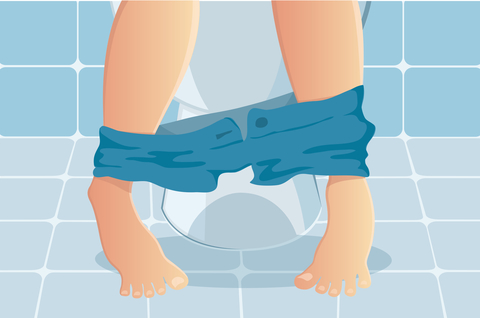
Home Remedies for Diarrhea understands the uncomfortable and disruptive condition, often caused by infections, food sensitivities, digestive imbalances. Fortunately, nature offers a variety of gentle yet effective ways to support recovery and restore digestive health.
This page explores natural home remedies for diarrhea, highlighting time-tested ingredients, herbal solutions, and dietary practice's that help soothe the stomach, replace lost fluids, and promote faster healing-all without relying on harsh medications.
Diarrhea can be an uncomfortable and disruptive condition often cause by infections, food sensitivities, or digestive imbalances. Fortunately, nature offers a variety of gentle yet effective ways to support recovery and restore digestive health.
This page explores natural home remedies for diarrhea, highlighting time-tested ingredients, herbal solutions, and dietary practices that help soothe the stomach, replace lost fluids, and promote fast healing-all without relying on harsh medications.
Certain foods and fruits can trigger or worsen diarrhea due to their composition, how they affect digestion, of how the body reacts to specific compounds.
Understanding these triggers helps in managing and preventing digestive upset naturally.
WHAT IS DIARRHEA?
So what is diarrhea actually? It is our bodies way of getting rid of toxic substances.
But what makes it something to watch carefully, is that having this continuous flow of water stools, prevents our bodies from not having enough time to use the benefits of the nutrients in the food that we have absorbed, and this can lead to dehydration.
Precautions
Although this is a fairly common ailment (which Diarrhea Home Remedies can help to ease the symptoms) and not considered to be a really serious condition, special care should be taken and medical attention should be sought:
- When the diarrhea carries on for more than two days.
- When it is accompanied by severe abdominal or rectal pain.
- When there is blood in the stools.
- When the stools are black.
- When the diarrhea is partnered with a fever.
- In the case of diabetics, when the sugar levels become erratic.
FOODS THAT CAN CAUSE DIARRHEA
|
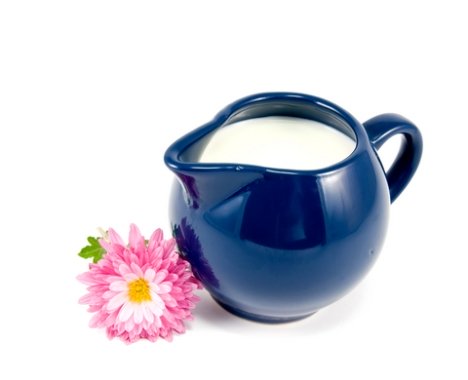
1. Dairy Products
|
 |
2. Fried and Fatty Foods
- Foods high in fat, such as fried items, fast food, and creamy sauces, are difficult to digest.
- They can speed up intestinal contractions pushing waste through the digestive tract too quickly
|
3. Spicy Foods
|
4. Artificial Sweeteners
|
5. Processed Food
- Packaged snacks, instant noodles, and processed meats often contain preservatives and high sodium, which can irritate the digestive system or alter gut bacteria balance
 |
6. Caffeine and Alcohol
|
|
7. Water
|
FRUITS THAT CAN CAUSE DIARRHEA
|
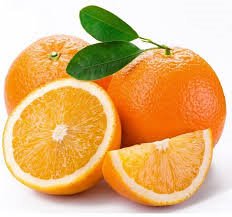
1. Citrus Fruits
|
 |
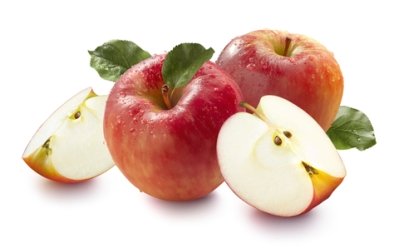 |
2. Apples and Pears
|
|
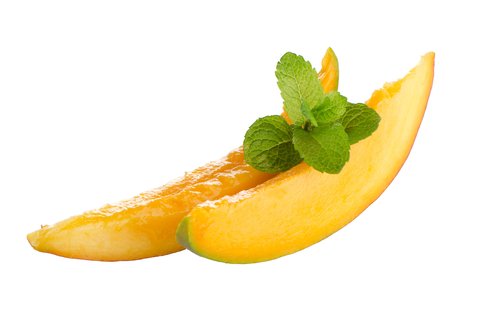
3. Watermelon and Mango
|
 |
4. Prunes and Plums
- Known for their natural laxative effect due to sorbitol and fiber, they can cause diarrhea if consumed excessively.
|
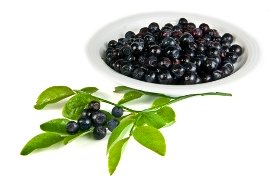
5. Berries (especially unwashed or overripe)
|
 |
HERBS FOR DIARRHEA
Several herbs have been traditionally used and studied for their effectiveness in treating diarrhea, offering natural alternative to conventional remedies.
The herbs work through various mechanisms including anti-inflammatory, antimicrobial, and astringent properties that help restore digestive balance.
Astringent Herbs
Astringent Herbs are particularly effective because they contain tannins that help tone and constrict the mucus membranes of the gastrointestinal tract. These include:
- Cranesbill (Geranium maculatum) - An effective anti-diarrheal plant rich in tannins that gently controls diarrhea without aggravating infection.
- Blackberry Leaves and Root Bark - Traditionally used astringent herbs for diarrhea relief.
- Blueberry and Bilberry Leaves - High in tannins and traditionally used in Germany for both adults and children acute diarrhea.
- Red Raspberry Leaves - High in tannins and may relieve acute diarrhea.
- Guava Leaf Tea - Has astringent, antispasmodic and antimicrobial properties that relieve diarrhea and stomach.
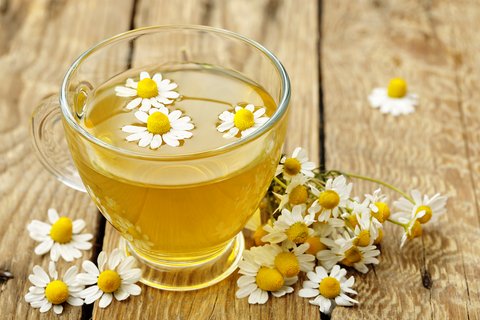
ANTI-INFLAMMATORY AND ANTISPASMODIC HERBS
|
These herbs reduce intestinal inflammation and cramping:
|
|
COMMON ANTIBACTERIAL HERBS
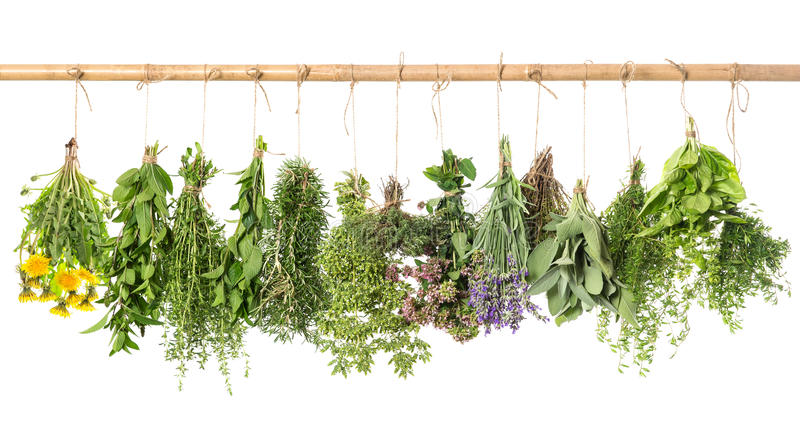
Many herbs have natural antibacterial properties due to their bioactive compounds. These herbs can help inhibit or kill harmful bacteria and promote healing in infections or digestive disturbances.
- Garlic - Contains allicin, a sulfur compound with broad-spectrum antibacterial activity.
- Oregano - Rich in carvacrol and thymol, powerful phenolic compounds that disrupt bacterial cell membranes. Often used for respiratory and digestive infections.
- Thyme - Contains thymol and carvacrol, similar to oregano, and is effective against bacteria that cause respiratory and skin infections.
- Goldenseal - Contains berberine, an alkaloid with strong antibacterial and anti-inflammatory effects, particularly against intestinal pathogens.
- Echinacea - Stimulates immune response and has mild antibacterial and antiviral properties, supporting recovery from infections.
- Clove - Contains eugenol, which has potent antibacterial and analgesic properties. Often used for oral health and tooth infections.
- Cinnamon -Its essential oil contains cinnamaldehyde, which inhibits bacterial growth and biofilm formation.
- Ginger - Has gingerol and zingerone which show antibacterial activity against intestinal and respiratory pathogens.
- Turmeric - Contains curcumin, known for anti-inflammatory and antimicrobial activity, particularly effective against Staphylococcus and Helicobacter pylori.
CAUTIONS
- Potency and safety vary: some herbs (like goldenseal) should not be used long-term.
- Always consult a healthcare provider before combining herbal antibacterials with prescription
- Use standardized extracts or properly prepared teas/tinctures for consistent results.
In summary, antibacterial herbs work by disrupting bacterial cell walls, inhibiting enzymes, or enhancing immune defense. When used appropriately, they can complement conventional care for infections or digestive issues.
SOOTHING AND PROTECTIVE HERBS
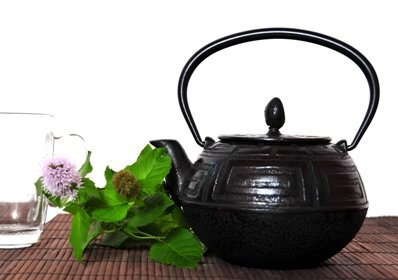
GINGER
Ginger has strong antioxidant properties and is an effective anti-microbial agent, which helps fight inflammation, cleanses the colon, and reduces spasms and cramps.
PEPPERMINT is often used as a natural remedy for digestive issues, including diarrhea, because of its soothing and antispasmodic properties.
Its active compounds, particularly menthol, can help relax the muscles in the gastrointestinal tract and reduce the discomfort associated with intestinal spasm.
HOW PEPPERMINT HELPS WITH DIARRRHEA
- Antispasmodic Effects - Menthol, the main active ingredient in peppermint oil, acts on the smooth muscles of the gut to reduce spasms. This can help slow down the rapid contractions that cause diarrhea and cramping.
- Reduction of Gas and Bloating - Peppermint helps relieve gas buildup and bloating by allowing trapped gas to pass more easily through the intestines, which can ease abdominal pressure and discomfort.
- Antimicrobial Activity - Peppermint oil has been shown to have antimicrobial properties that may help inhibit the growth of certain bacteria and pathogens that can cause diarrhea.
- Soothing the Digestive Tract - Peppermint can help reduce the feeling of nausea and promote a calmer digestive process, which supports recovery from diarrhea-related symptoms
HOW TO USE PEPPERMINT SAFTELY
Peppermint Tea - Drinking peppermint tea is a gentle way to sooth the digestive tract.
Peppermint Oil Capsules - Enteric-coated capsules can deliver peppermint oil directly to the intestines without irritating the stomach.
Aromatherapy: Inhaling peppermint essential oil may help reduce nausea associated with diarrhea.
CAUTIONS
- Peppermint may worsen symptoms in people with gastroesophageal reflex disease (GERD) or acid reflux.
- It should not be used in infants or very young children due to the risk of respiratory irritation.
- Always consult a healthcare professional before using peppermint oil supplements, especially if you are taking other medications.
Conclusion
Recognizing the food and fruits that may cause diarrhea is the first step toward better digestive health. By avoiding or limiting these triggers and focusing on gentle, nourishing alternatives, you can help your body maintain regularity and comfort naturally.
Pairing mindful eating with hydration and simple home remedies can go a long way in keeping your digestive system strong and resilient.
In summary, peppermint can help manage diarrhea by relaxing intestinal muscles, reducing inflammation, and easing discomfort. However, it should be used appropriately and with medical guidance when necessary.
IMPORTANT NOTICE
Home Remedies Haven would like to reassure all the visitors to our site, that we respect your privacy and do not in any way sell personal information.
IMPORTANT INFORMATION
- Home Remedies Haven is a go-to resource for common ailments.
- The causes, symptoms and solutions, are set out simply and clearly, so that anyone can access them at the click of a mouse.
- These inexpensive home remedies offer a first port of call and can enhance your Doctor's prescription, should you need one.
- This is not a medical site and does not offer a diagnosis.
- Alway remember to consult with a Healthcare Professional before using Natural Remedies, especially if you have underlying conditions.
YOUR NATURAL MEDICINE CHEST

What to Keep in your Medicine Chest
Arnica
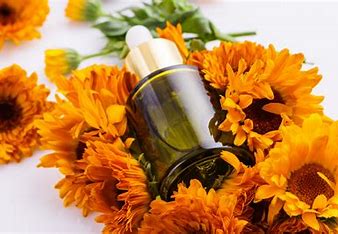
Keep a tube of this cream for relief for muscle strains as well as bruises.
Calendula

Use the dried flowers to make tea and use for stressful situations and also stomach upsets
Chamomile
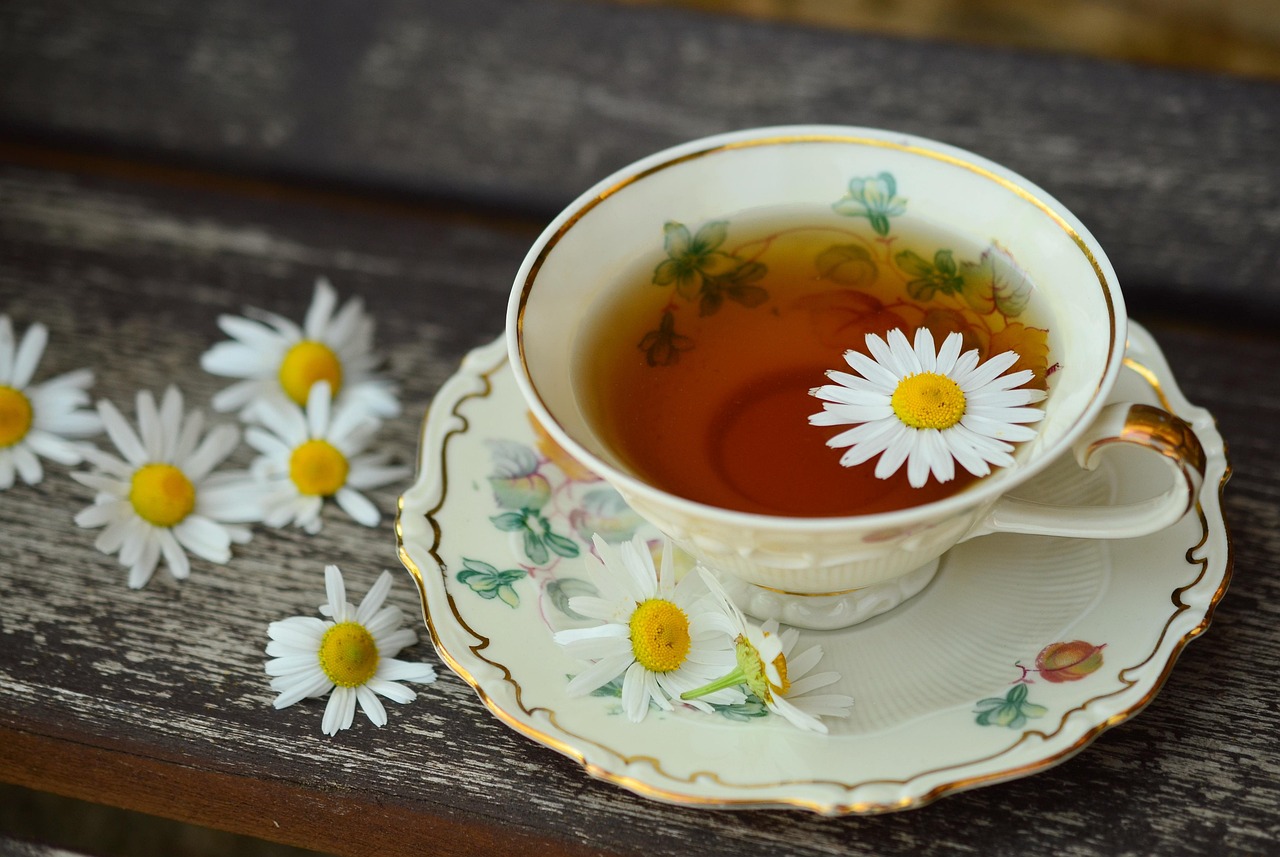
Use the dried flowers to make a tea and use for stressful situations and also stomach upsets.
Echinacea
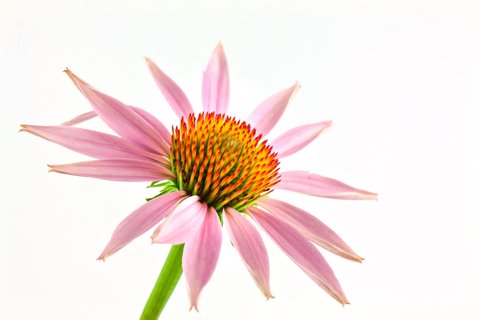
An absolute must for your herbal medicine chest for respiratory congestion and muscle soreness.
Eucalyptus
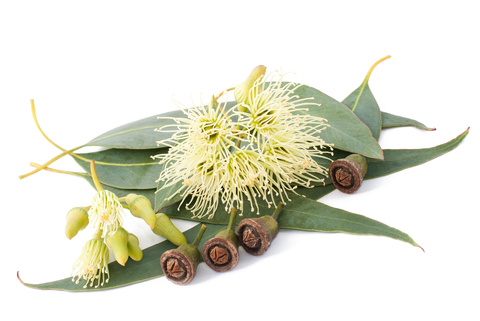
An absolute must for your herbal medicine chest for respiratory congestion and muscle soreness.
Ginger
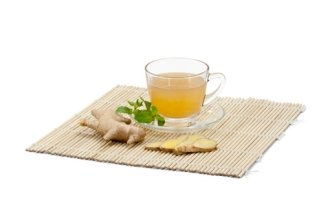
Use this herb as a fresh root from your veggie store, or if you like gardening grow them
It is an excellent medication for colds, respiratory congestion, nausea and stomach upsets.
Lavender
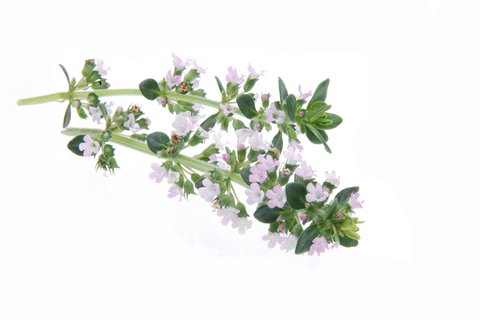
Use tea tree as an essential oil for skin infections and insect bites.
Valerian
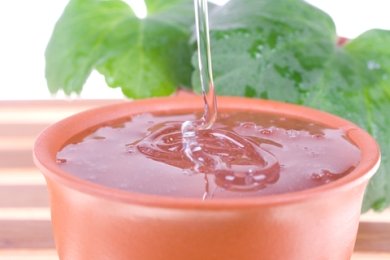
Use as an extract for mild pain relief and insomnia